
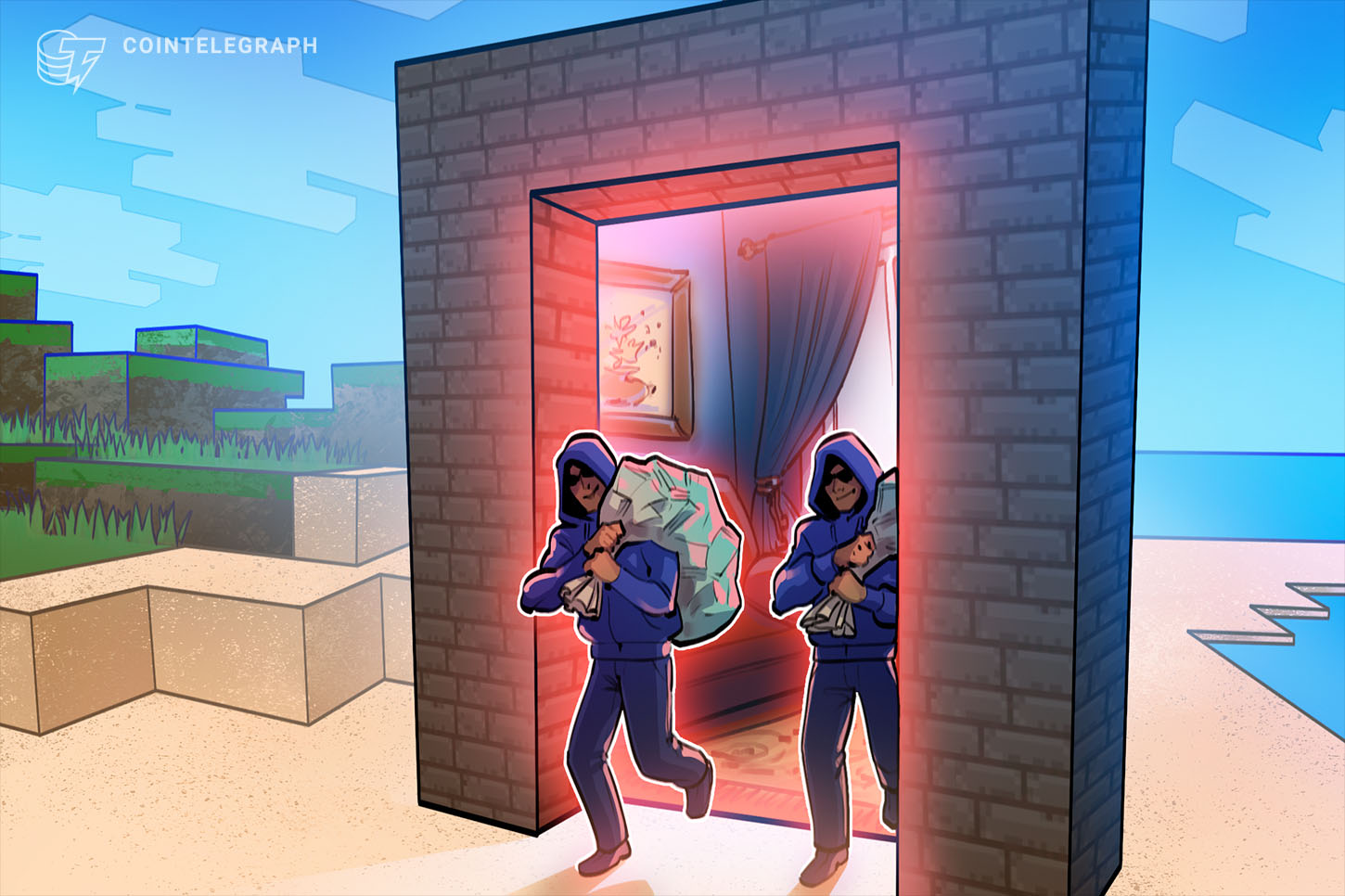
The recent case of two Texas brothers pleading guilty to holding a Minnesota family at gunpoint to steal $8 million in cryptocurrencies highlights a grim reality. This incident is a stark reminder that when you act as your own bank, your digital security and physical safety are deeply intertwined.
The Critical Role of Operational Security (OpSec)
Unlike traditional banking, where transfers can be flagged or reversed, blockchain transactions are permanent and instant. This makes crypto holders prime targets for what security experts call a “$5 wrench attack”—where a criminal bypasses complex cryptography simply by using physical force to demand your private keys.
Practical Steps to Manage Your Risk
To protect both your capital and your personal safety, consider implementing these essential security habits:
- Maintain a low profile: Avoid discussing your investment sizes or financial gains on social media or in public spaces.
- Implement multisig wallets: Use multi-signature setups that require authorization from keys stored in different physical locations to move large amounts.
- Keep a decoy wallet: Maintain a small, accessible balance for emergencies, while keeping your main portfolio in secure, cold storage that is not immediately accessible.
True risk management extends far beyond market volatility and chart analysis; protecting your life and your access keys is the ultimate trade you cannot afford to lose.
Source: cointelegraph.com
Educational content, not financial advice.