
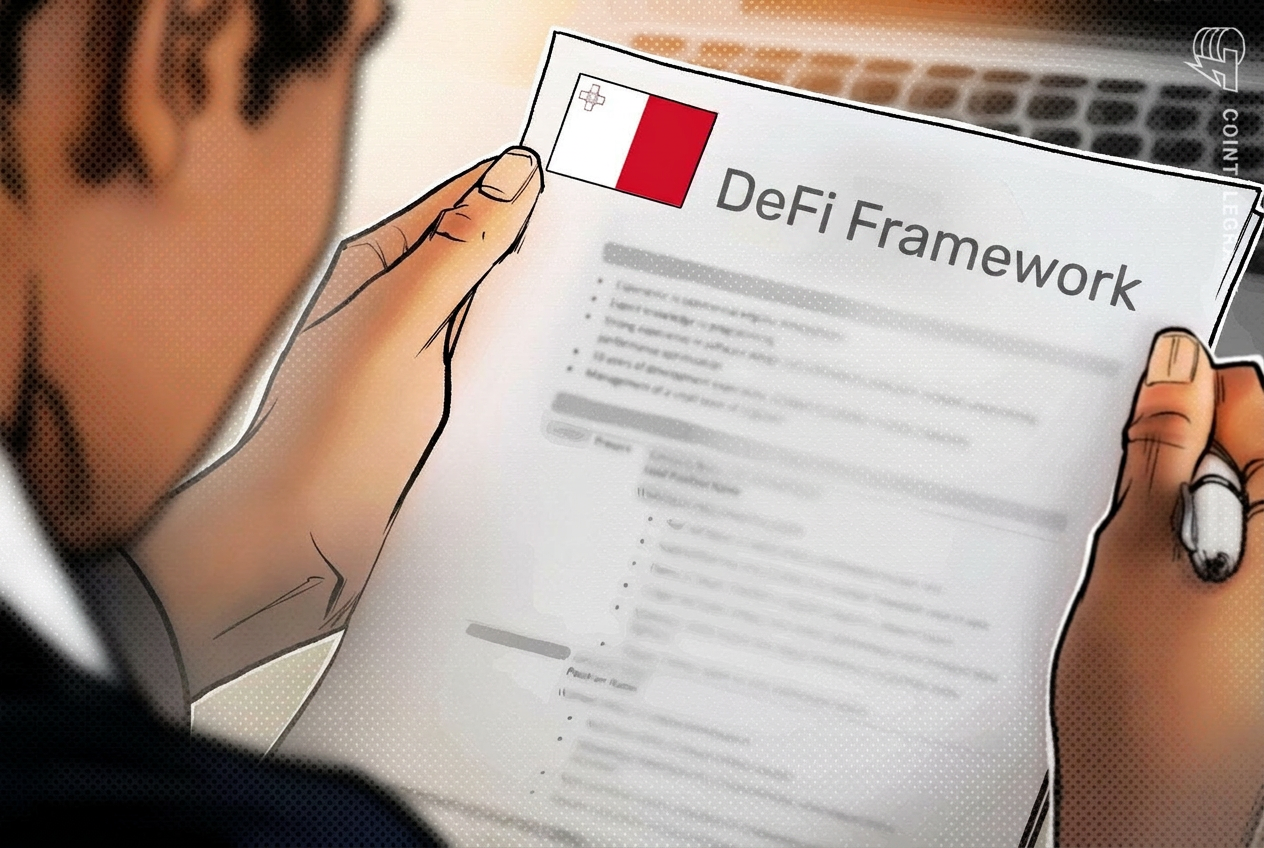
Malta, a prominent crypto hub in Europe, is taking a proactive step by proposing a regulatory framework for Decentralized Autonomous Organizations (DAO) and software-governed protocols. The Malta Financial Services Authority (MFSA) is actively seeking industry feedback, pointing out that many projects operating under the DeFi banner are not as decentralized as they claim to be.
Why Regulators Are Focusing on Governance
This initiative aligns with the broader European MiCA framework. The core issue regulators want to address is “true decentralization.” If a protocol relies on a small group of founders holding admin keys or making critical decisions behind the scenes, regulators argue it should not escape compliance, as this structure poses unique risks to retail participants who believe they are interacting with an autonomous system.
Market Impact and Risk Management
For traders and investors, this regulatory push is a double-edged sword:
- Increased Credibility: Clear rules could attract institutional capital and reduce the prevalence of rug pulls and smart contract exploits.
- Reduced Flexibility: Some protocols might lose their permissionless nature or face geo-blocking to comply with local laws.
When evaluating DeFi projects, it is crucial to analyze their actual governance structure and smart contract control rather than relying solely on marketing claims. At Apex Trend, we emphasize that regulatory shifts can trigger sudden market volatility. Always practice strict risk management, understand the technical risks of the protocols you use, and never invest capital that you cannot afford to lose.
Source: cointelegraph.com
Educational content, not financial advice.