
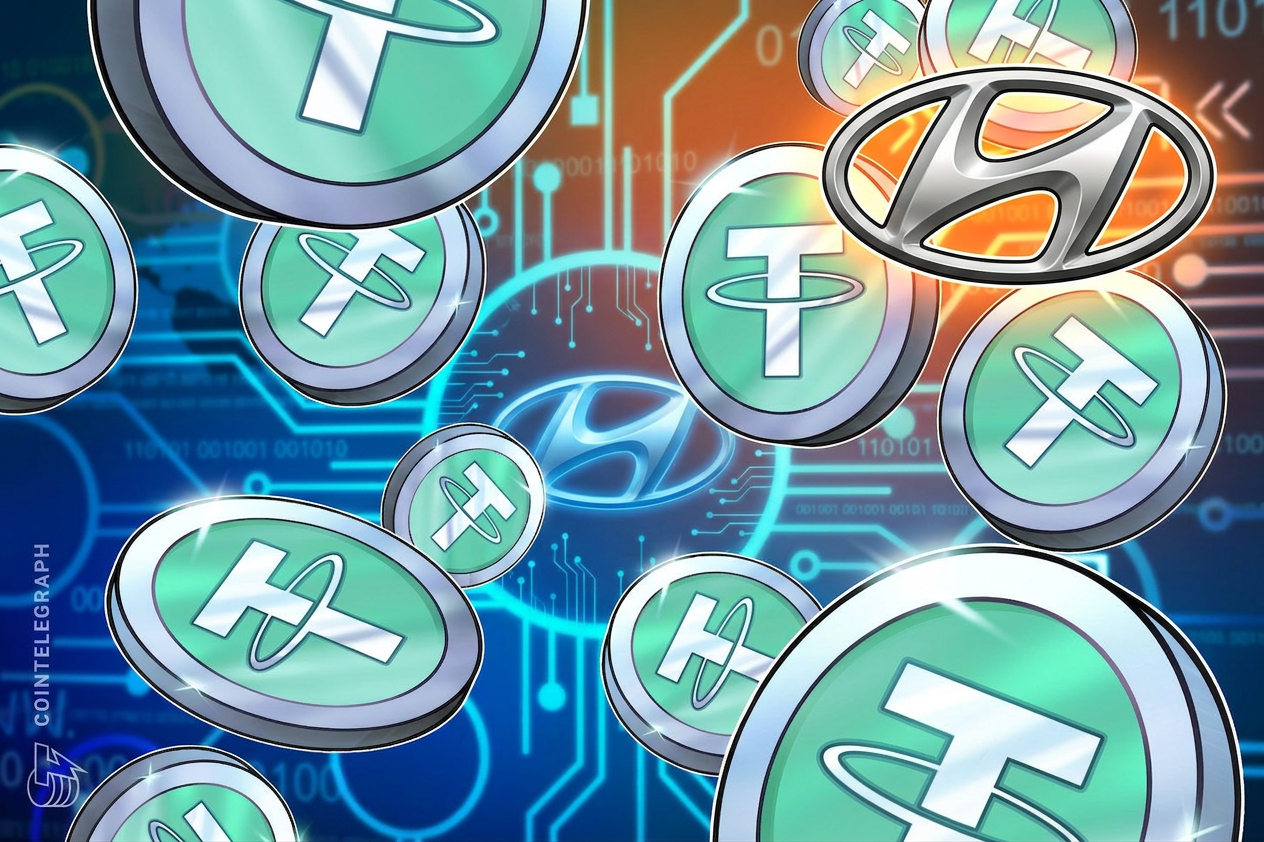
Automotive giant Hyundai has successfully completed a pilot program using USDT to transfer treasury funds between its US and Mexican subsidiaries. This proof-of-concept highlights how major corporations are seeking alternatives to traditional banking to optimize international cash flows, cutting down transaction times and fees from days to mere minutes.
Why this matters for modern finance
To grasp the significance of this move, we must look at the role of stablecoins. Unlike highly volatile crypto assets, USDT maintains a digital peg to the US dollar. By routing transactions through blockchain technology, companies bypass traditional SWIFT network intermediaries, gaining operational efficiency and immediate liquidity.
Risk management: the investor’s perspective
While Hyundai’s pilot validates the real-world utility of digital assets, maintaining a cautious approach is essential. The adoption of stablecoins still faces an evolving global regulatory landscape and counterparty risks tied to the token issuer. In trading and financial management, the golden rule remains diversification and critical analysis; no technology is entirely free from systemic risks or unexpected market shifts.
Source: cointelegraph.com
Educational content, not financial advice.