
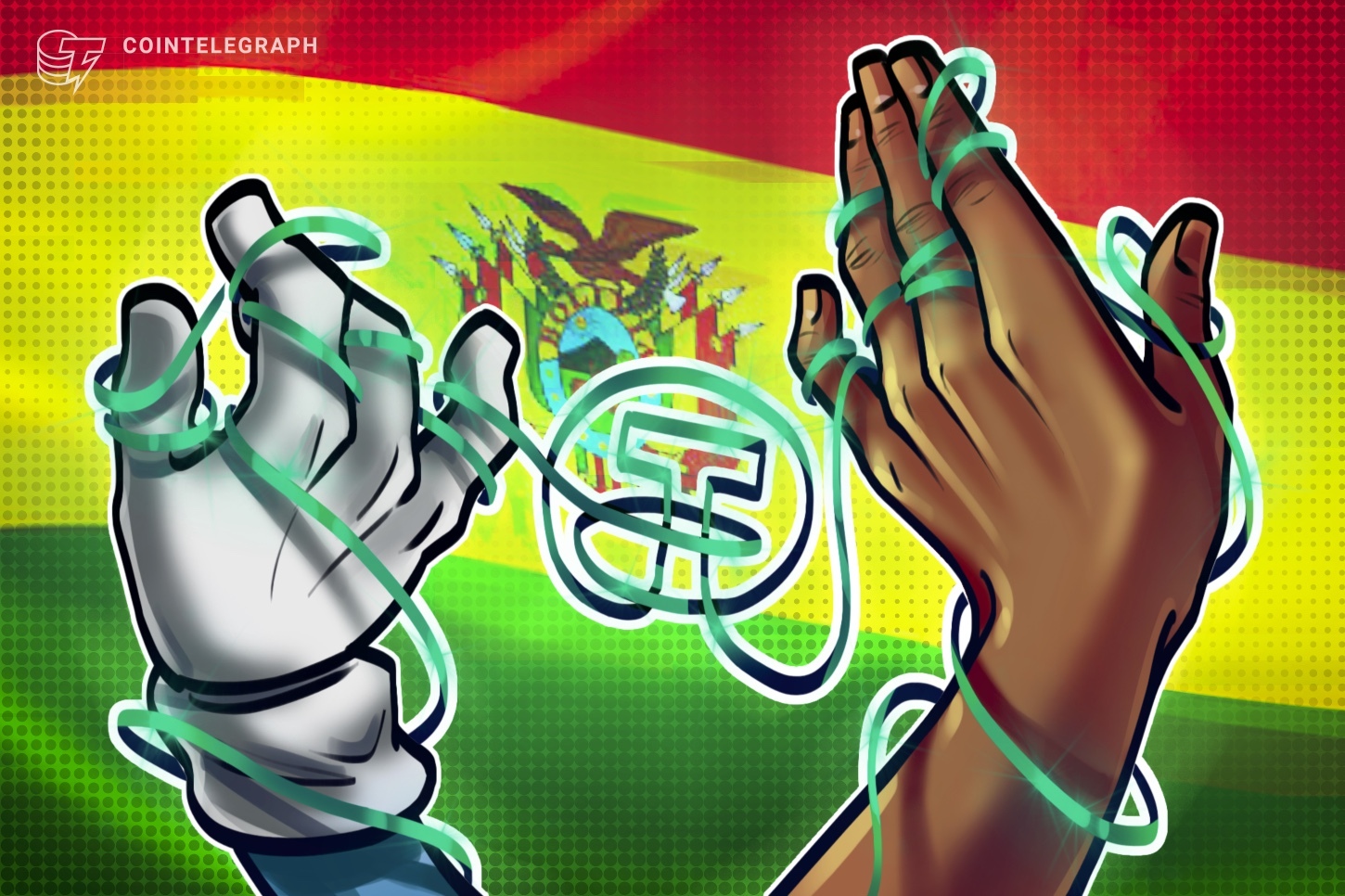
The Central Bank of Bolivia is currently evaluating the feasibility of integrating USDT—the world’s largest stablecoin—into its financial ecosystem. This initiative comes as a direct response to the country’s dwindling physical dollar reserves, aiming to facilitate international trade and help citizens preserve their purchasing power.
Why turn to a digital currency?
A digital asset pegged to the US dollar allows for fast, cross-border transactions without relying on traditional banking infrastructure, which often faces bottlenecks during liquidity crises. By mulling the use of USDT for savings and payments, Bolivia is looking for a digital release valve to keep its economy fluid.
Risk Management: Look before you leap
While stablecoins offer an excellent hedging tool against local currency devaluation, they are not risk-free. Factors such as counterparty risk in centralized issuers and the potential for a depeg (losing its 1:1 peg) are critical elements that require thorough research. Maintaining a diversified portfolio and understanding the mechanics behind each asset is the only sustainable way to manage risk, as no financial market can ever guarantee profits.
Source: cointelegraph.com
Educational content, not financial advice.