
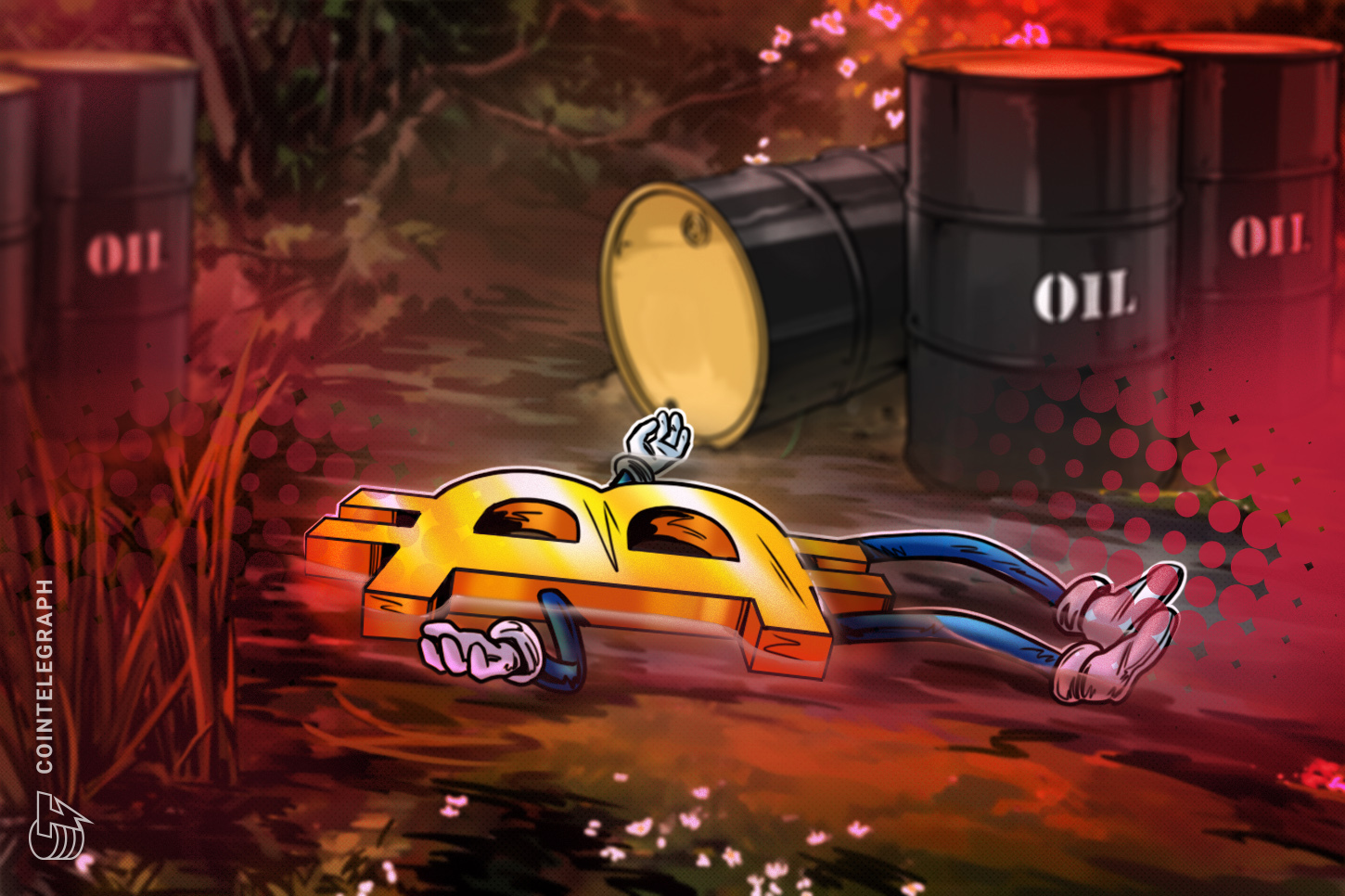
The recent collapse of ceasefire negotiations between the US and Iran has sent shockwaves through global markets. With the looming threat of a blockade in the strategic Strait of Hormuz, oil prices quickly spiked toward $75. This instability triggered a chain reaction across financial markets, dragging Bitcoin down and pressuring its price toward the crucial $61,000 support level.
The Macro Correlation Every Trader Must Understand
This situation offers a vital educational lesson: crypto assets do not trade in an isolated bubble. Although Bitcoin is often discussed as a financial safe haven, during sudden geopolitical shocks, it frequently behaves like a risk-on asset. When global uncertainty spikes, large funds and institutional investors tend to seek immediate liquidity, selling off volatility-sensitive assets to cover losses or de-risk in traditional markets.
Risk Management in Times of High Uncertainty
For our Apex Trend community, these events highlight the importance of not trading impulsively based on breaking news. During periods of severe market turbulence, capital preservation must be your absolute priority. This is the ideal time to review your portfolio exposure, adjust your position sizing, and ensure essential protection tools like stop-loss orders are active to prevent catastrophic losses if the correction deepens.
Keep in mind that financial markets are inherently unpredictable and subject to external forces beyond our control; trading with a disciplined technical plan and managing your expectations realistically is the only way to ensure your long-term survival in this environment.
Source: cointelegraph.com
Educational content, not financial advice.